
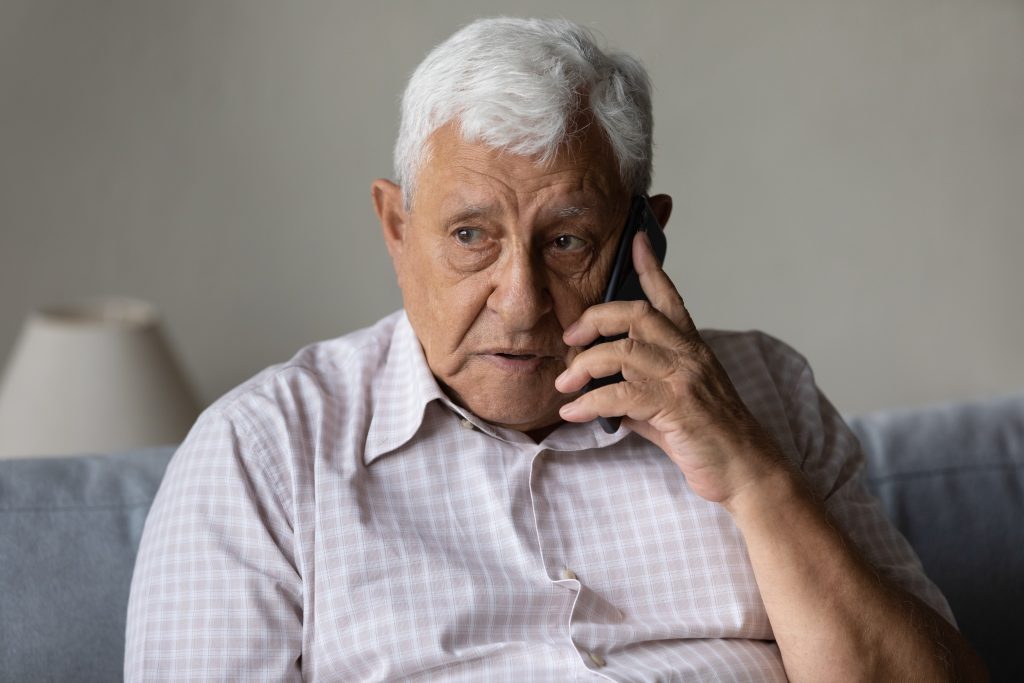
Relapse can feel overwhelming, but having an emergency contact plan to prevent relapse gives you an added layer of support and reassurance. This simple yet powerful tool ensures that during moments of vulnerability—like cravings, stress, or triggers—help is only a call away.
Why an Emergency Contact Plan Matters
In recovery, triggers and cravings can appear suddenly. An emergency contact plan creates a clear, reliable safety net so you never have to face those challenges alone. By knowing exactly who to reach out to and when, you add accountability, connection, and calm to the moments that matter most.
Key Elements of a Strong Plan
Trusted Contacts
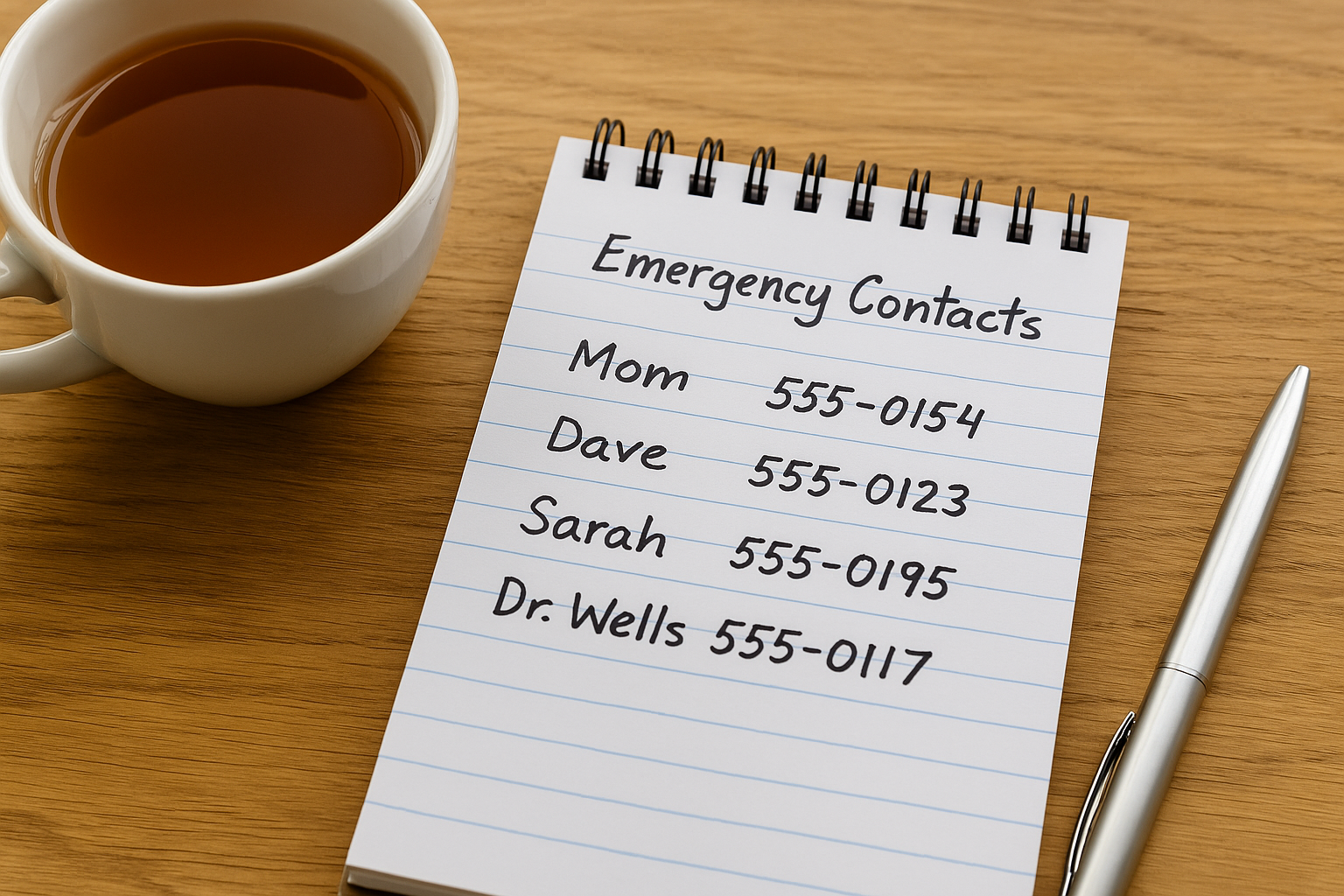
List friends, family members, sponsors, or peers in recovery who understand your goals and can offer immediate support. Prioritize people who answer quickly and speak calmly when you’re stressed.
Clear Communication
Tell each contact why they’re on your plan and what helps you most (e.g., “Please remind me to breathe, ask me to step outside, and stay on the phone while I reset”). Share common warning signs so they know when to step in.
Professional Support
Include your therapist, counselor, or program staff. Professional guidance can de-escalate crises, reinforce coping skills, and help you process the moment productively.
Accessibility
Store phone numbers in two places: your phone (speed dial/favorites) and a physical card in your wallet. Label them clearly (e.g., “Sponsor,” “Therapist,” “Sibling”) so you can act fast when emotions run high.
Staying Committed to Recovery
An emergency contact plan isn’t a replacement for treatment—it’s a safeguard that supports the work you’re already doing. Review it weekly, update it as your support network grows, and practice using it before you’re in crisis. The more familiar it feels, the more effective it becomes.
Final Thoughts
Preparation prevents panic. A clear emergency contact plan to prevent relapse helps you pause, reach out, and choose recovery—especially on hard days. If you’re building your plan today, start with one trusted person, add a professional contact, and keep both numbers where you can find them in seconds.